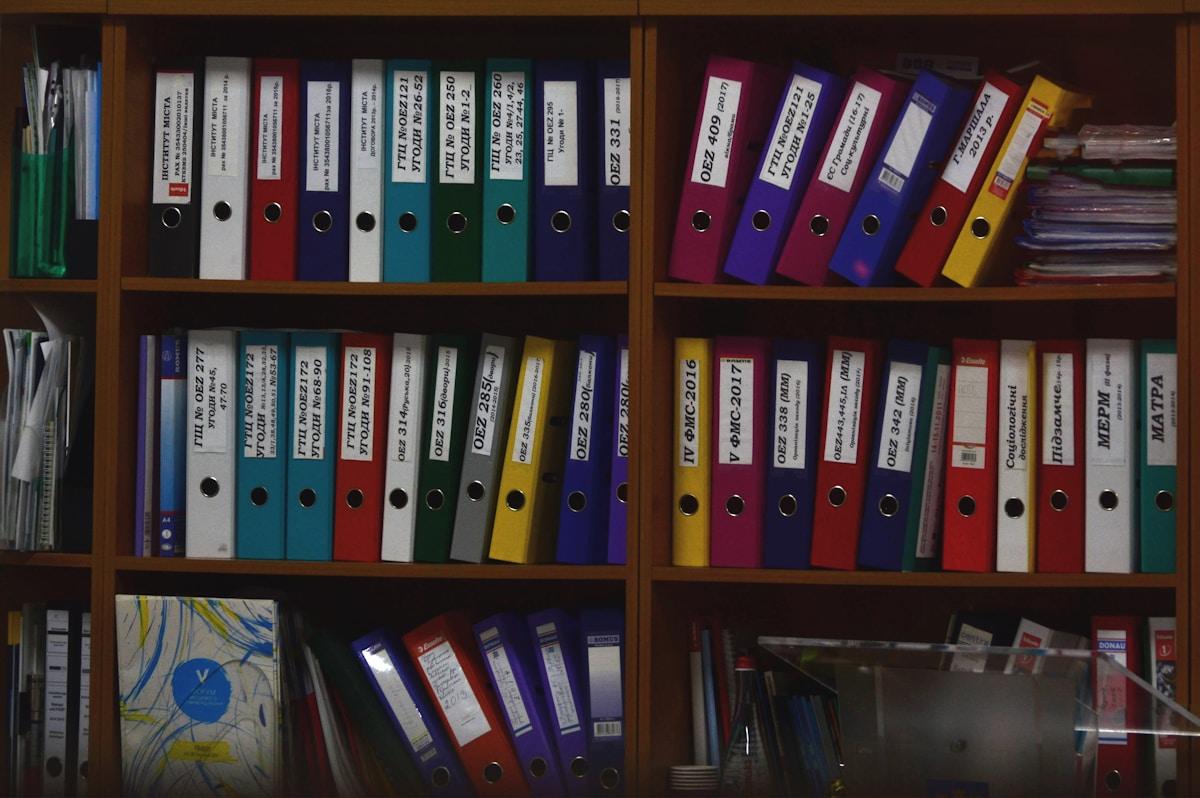
The great rclone — or sometimes an agent just needs files.
We’re building an agent for a European marketing company. They struggled with RAG for a year — indexing, chunking, trying different embeddings. It either lagged, hallucinated, or couldn’t find what they needed.
I proposed a radically different approach: throw out RAG, use Claude Agent SDK + regular filesystem and MCP as the interface instead. Built them a prototype — the results were so much better they didn’t believe it at first. You could roughly compare it to how much better Claude Code is than a regular AI chat for coding. Search across gigabytes of PDFs, DOCX, PPTX — fractions of a second. New file comes in — the agent is immediately ready to use it. No chunking, no indexing.
Essentially, this is the same thing Claude Code or Codex CLI do with a codebase, except here instead of a code base we have a knowledge base.
But there are nuances, several actually. I’m planning a series of posts on this topic. Let me start with the file synchronization problem and its solution.
The Problem
Their main knowledge source is Google Drive. Everything is there: client presentations, strategies, research. But querying it directly is too slow, and we’re limited to Drive’s built-in search — that won’t work. We need Claude Code (Agent SDK) to quickly search through files.
The Solution: rclone
rclone — it’s like rsync for cloud storage. Supports Google Drive, OneDrive, Dropbox, and dozens of others. Cool thing: it can automatically export formats. Google Docs become .docx, Sheets become .xlsx, presentations become .pptx, etc.
rclone sync "gdrive:/" "/local/path" --drive-export-formats docx,xlsx,pptxFiles fly to the server, get converted, and the agent works with them as regular files.
Why File-First is Better
Storage is cheap and fast. Sometimes (especially for internal company use) it’s much simpler to download everything to disk and work with files directly than to build remote ingestion with vector databases and indexing pipelines.
Modern CLI agents handle file search brilliantly. “Find all mentions of project X from the last 3 months” — done in seconds through regular file operations. Reads files in parts or entirely when needed. And writes scripts to work with them on the fly if necessary (!) — this is exactly the concept Anthropic is pushing with their Skills.
Bottom Line
If you’re building an agent for document work:
- Look at the file-first approach. It might be faster and more reliable than RAG.
- Use rclone to sync cloud storage.
- Give the agent access to the filesystem and proper search tools — often better than naive RAG.
This project turned out more interesting than I expected. Lots of nuances, non-obvious solutions, and insights that I’ll be sharing further. To be continued.